

Biltmore Forest's Legacy of Resilience
Q4 2025 | Vol. 75, Issue 4
From its beginnings, the Town of Biltmore Forest has pushed forward out of adversity. Originally part of the Biltmore Estate, the town incorporated in 1923 after the disastrous flood of 1916; as the estate looked for ways to reduce financial burdens, a new town was formed. A century later, the town continues to show that same resilience in the face of challenges.
A TOWN TESTED
In 2021, after the pandemic, Biltmore Forest received $451,000 in American Rescue Plan (ARP) funds. The town used the funds for revenue replacement, effectively freeing up resources to invest in other town projects, including improvement of its outdoor spaces.
“When COVID hit, everybody was inside. It seemed logical at that point to get people outside,” Jonathan Kanipe, Biltmore Forest town manager, said.
The town relied on community input in determining how to best utilize these funds and found considerable support for the creation of green space and trails. Specifically, the town decided to invest in two community parks.
“This is a direct reaction to what people have wanted,” Kanipe said. “There are things we would have done [without the funds], but it's allowed us to do that and give something back to our citizens.”
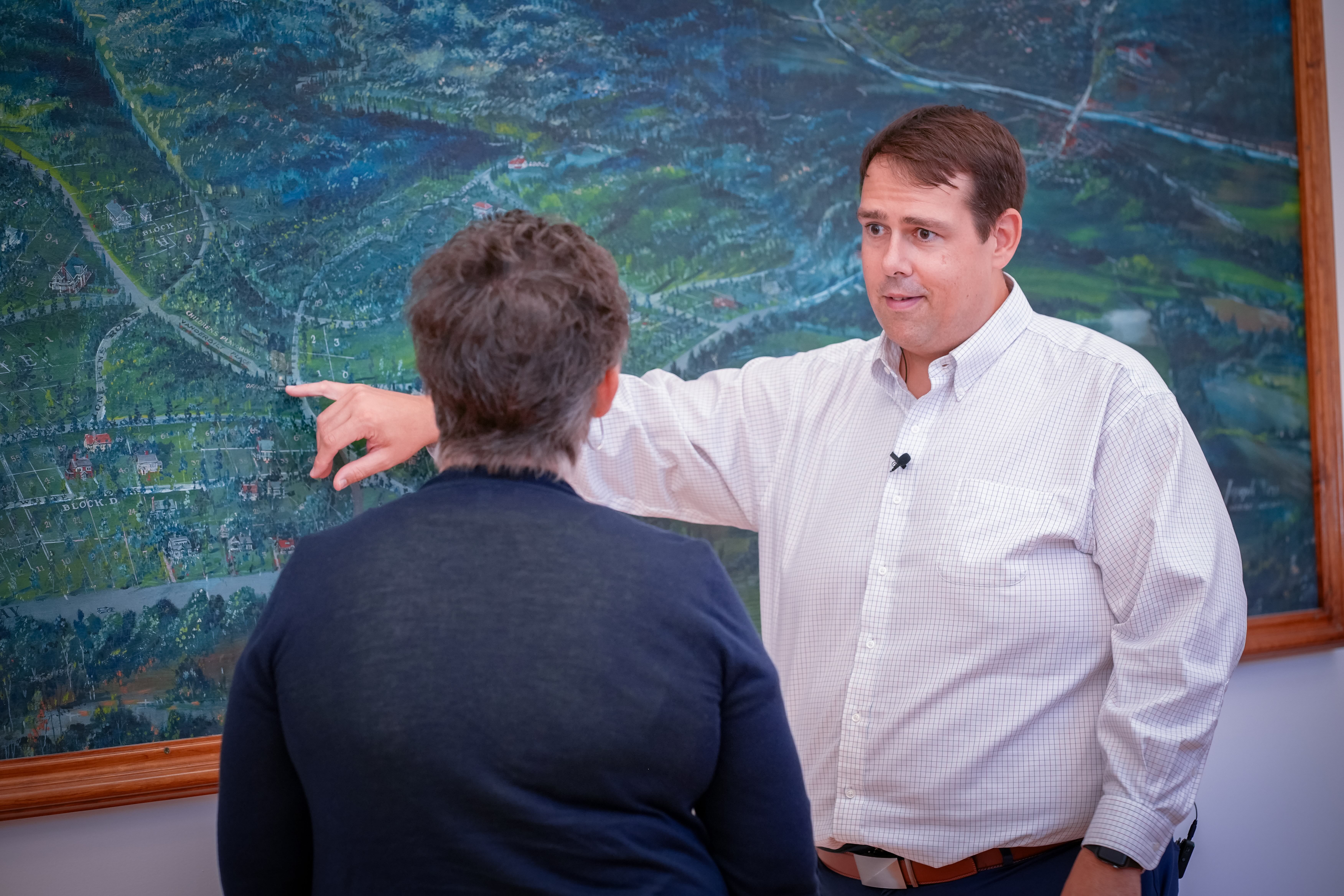
However, just months after parts of these projects were finished, the town would once again find an opportunity to rise above disaster as Hurricane Helene barreled through western North Carolina. After the hurricane, Biltmore Forest did not experience the flooding that affected much of the region but instead encountered unprecedented tree debris. Within the town’s 2.9 square miles, crews moved more than 400,000 cubic yards of debris, with 10,000 to 20,000 trees downed (the equivalent of 25 football fields piled 9-feet high). Following this storm, these park projects now stand as a reminder of how this town of approximately 1,300 has both withstood and adapted to the challenges of a changing environment.
A FOUNDATION OF SUPPORT
Alongside community support, Biltmore Forest has long relied on the League as a key partner in navigating both everyday operations and moments of crisis. Kanipe reflected on his early years in the role, describing how he often turned to the League for guidance. Today, that partnership continues to provide vital resources—from property and liability coverage to workers’ compensation, financial services, and legislative updates.
“Rely on the League—that’s what they’re there for,” Kanipe urged. “The League has always been a fantastic partner. … We rely on them for help and making sure we're doing what we need to do for our staff, but also for our residents.”
That strong foundation has allowed the town to stay focused on its priorities, including the ambitious improvements made to its two community parks.
THE PARK PROJECTS
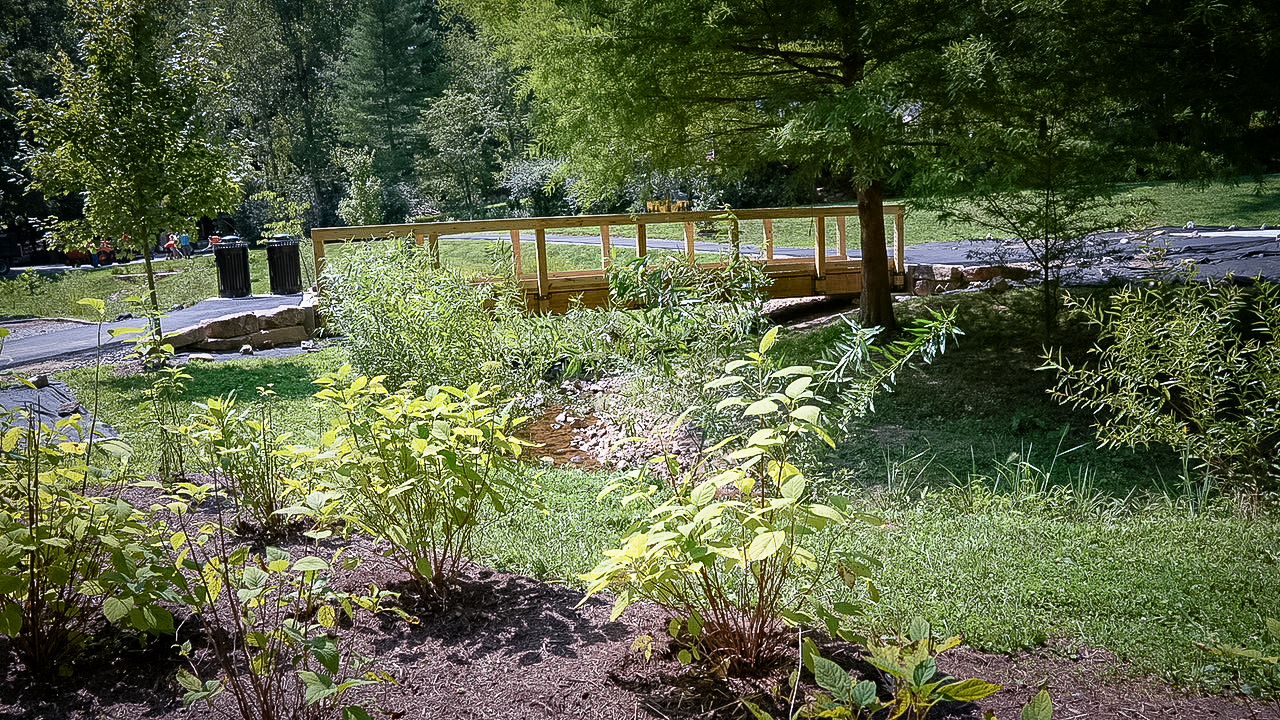
Greenwood Park underwent the biggest overhaul with the federal funds received. Before the pandemic, the town had begun a stream restoration project to reorient the land to drain more efficiently and to coalesce with the stream that runs through the park. ARP funds allowed them to expand the project and improve the park further. Part of the project included the building of a 35-foot bridge to replace a rotting structure. This newly constructed bridge not only provides a visual impact at the center of the park, but also stands structurally sound, able to withstand Hurricane Helene that would test it just months after its creation.
“During the storm, all the rain we had, all the water that came through there, it didn't move an inch,” Kanipe said. “The other bridge that was there would have washed downstream.”
Biltmore Forest also used the funds on the creation of the town’s first trail at Brooklawn Park. This park has been a part of the town since the beginning, but a previously constructed trail had become overgrown and unusable. The town brought in a trail designer who created a new 1.15-mile walking loop.
This 15-acre park was heavily damaged during the hurricane, with many trees having fallen across the trail, and others more dangerously hanging in midair. Over the past nine months, the town has worked to clear out the area and ensure the trail is safe to walk on again.
The prior stream restoration plan extended to the trail at Brooklawn Park. With the amount of damage and the number of trees that had to be removed, the town has found an opportunity to clean up the area more than originally planned. Fallen trees opened previously inaccessible areas, so the town brought in a forest management group to remove invasive species at the park and across town, and begin reforesting with native plants.
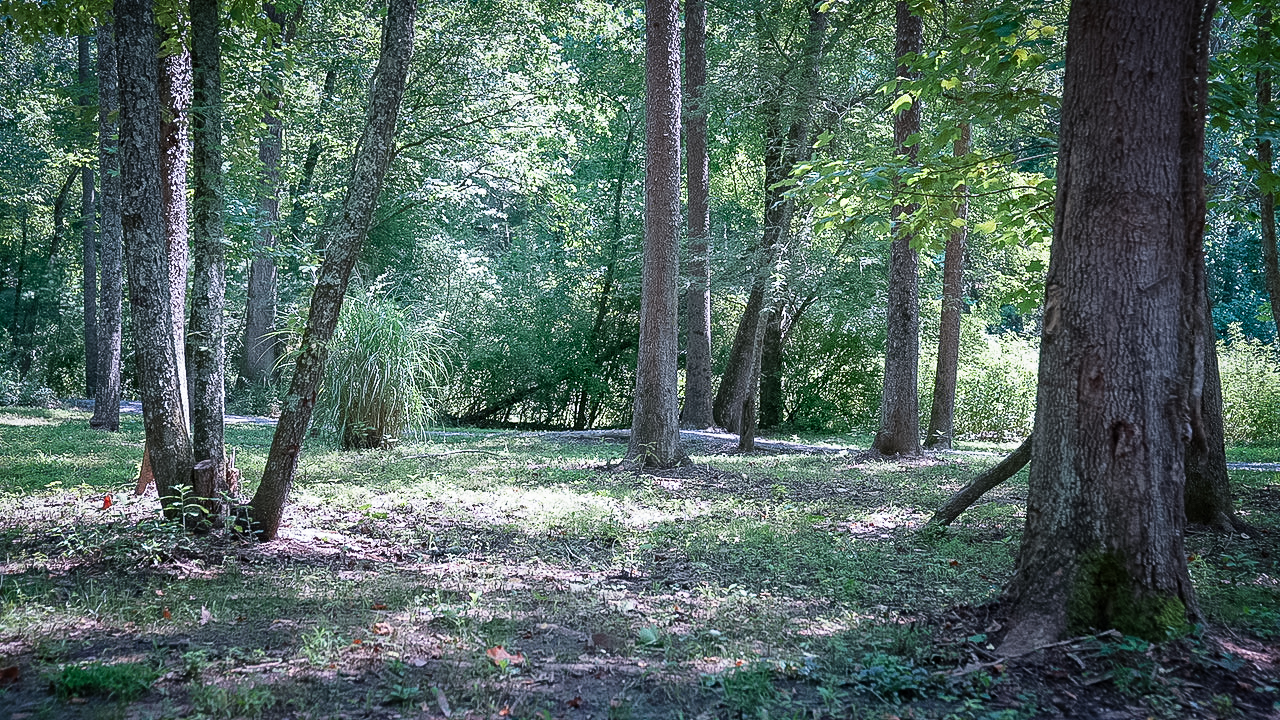
“Because we had to take so many things out … we're now able to get in and do invasive species control,” Kanipe said. “It’s the upside and how we're trying to find the silver lining.”
Nearly a year after Hurricane Helene, Biltmore Forest is still working through the damage, but its progress is unmistakable. From clearing debris to restoring trails, the town’s response echoes its long history of rising from adversity. Today, both Greenwood and Brooklawn Parks stand as more than community spaces—they represent how Biltmore Forest has shown a remarkable ability to turn setbacks into stepping stones. They now serve as lasting reminders of the resilience the town has demonstrated time and again.
NCLM DISASTER RECOVERY RESOURCES
The League has received grant funding to help towns impacted by Hurricane Helene. These services are provided free of charge and available to any municipality in need in the impacted areas.
We are here to help your community recover and rebuild with support that includes:
- Catch-up on bookkeeping and accounting
- Workforce capacity and staffing support
- Cybersecurity assessment and support
- Grant writing and grant management
- Legal guidance
- Project management
- Planning assistance
- FEMA compliance
Our services are provided by trusted partners and local experts based in North Carolina.
Disaster Recovery Field Representatives
To better serve towns on the ground, the League has appointed three Disaster Recovery Field Representatives. All are Western North Carolina natives, committed to helping their communities rebuild.
Our field representatives will:
- Visit towns to assess needs
- Serve as a direct point of contact
- Help with FEMA paperwork and other recovery requirements
- Connect towns with League services and trusted partners

About the author
Stephanie Hughes
Communications & Multimedia Strategist - ARP
Supports the League’s communication strategies as to improving awareness of the American Rescue Plan.
