

Ensemble of Skills: Rep. Erin Paré's Many Roles Shape Sense of Service
Q4 2025 | Vol. 75, Issue 4
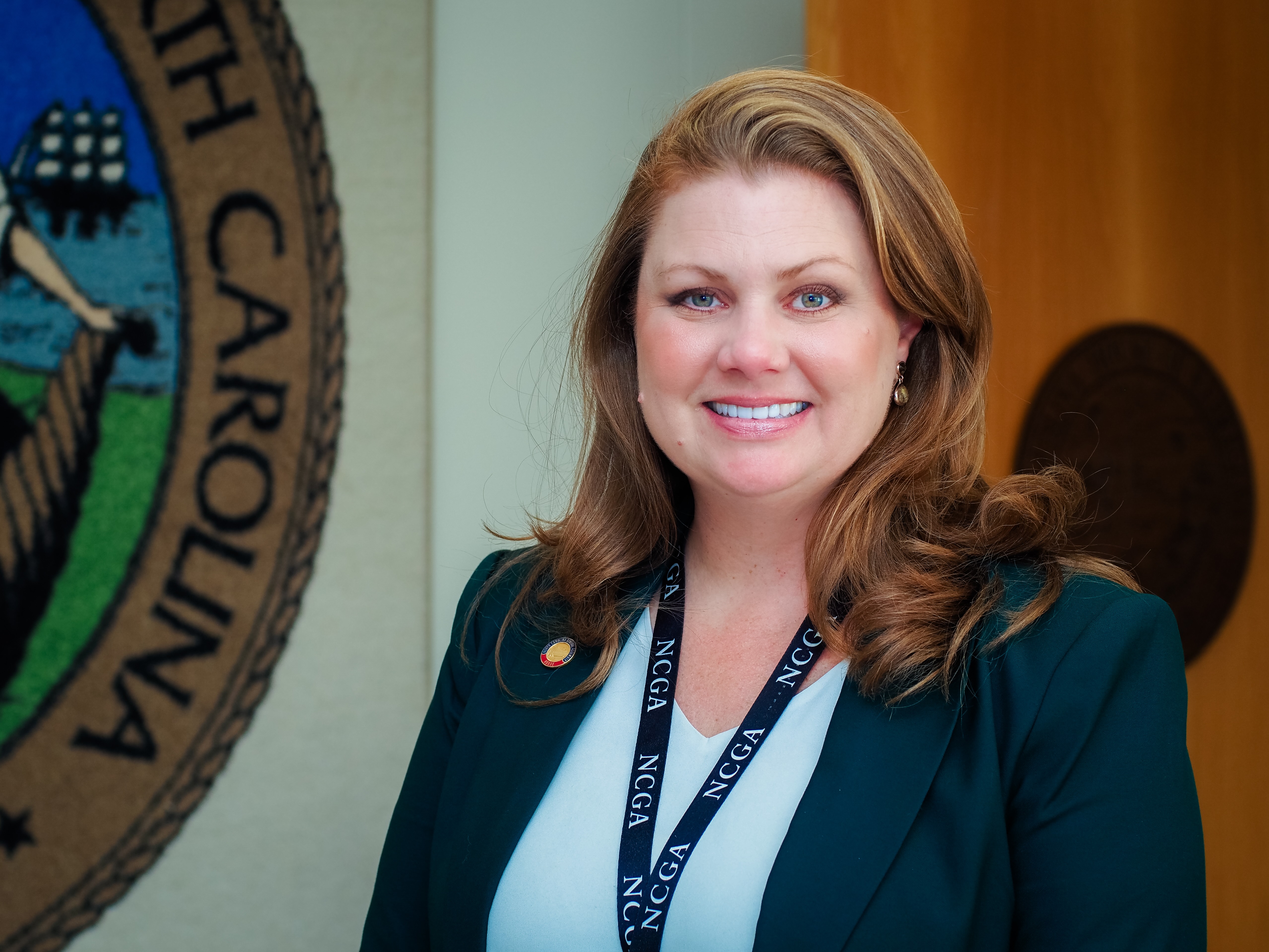
Rep. Erin Paré of Holly Springs has a nuanced handle. She’s a small-business owner, a mother and wife in a well-traveled military family, and a state House member with prior federal and local government experience on the private and public sides.
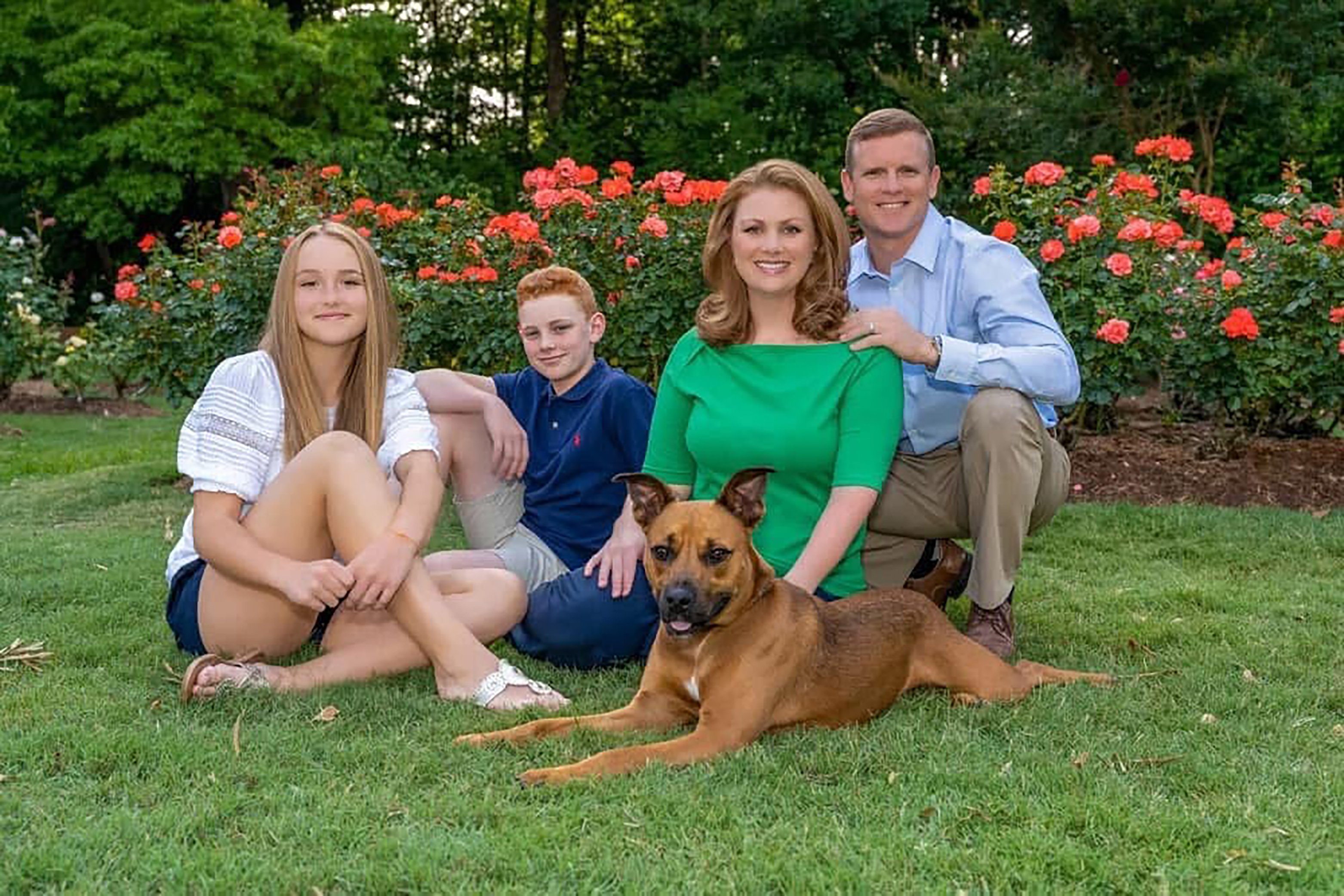
She also runs a vibrant arts nonprofit, called the Holly Strings Youth Orchestra, whose themes of skill development and group dynamics were among points in a recent Southern City interview with Rep. Paré about her work and approach. House District 37, which she has represented since 2021, covers municipal and unincorporated areas in southern Wake County, where she lives with her husband, Wayne Paré, and their two children.
Tell us about your community, Holly Springs – what brought you there, what you enjoy about it...
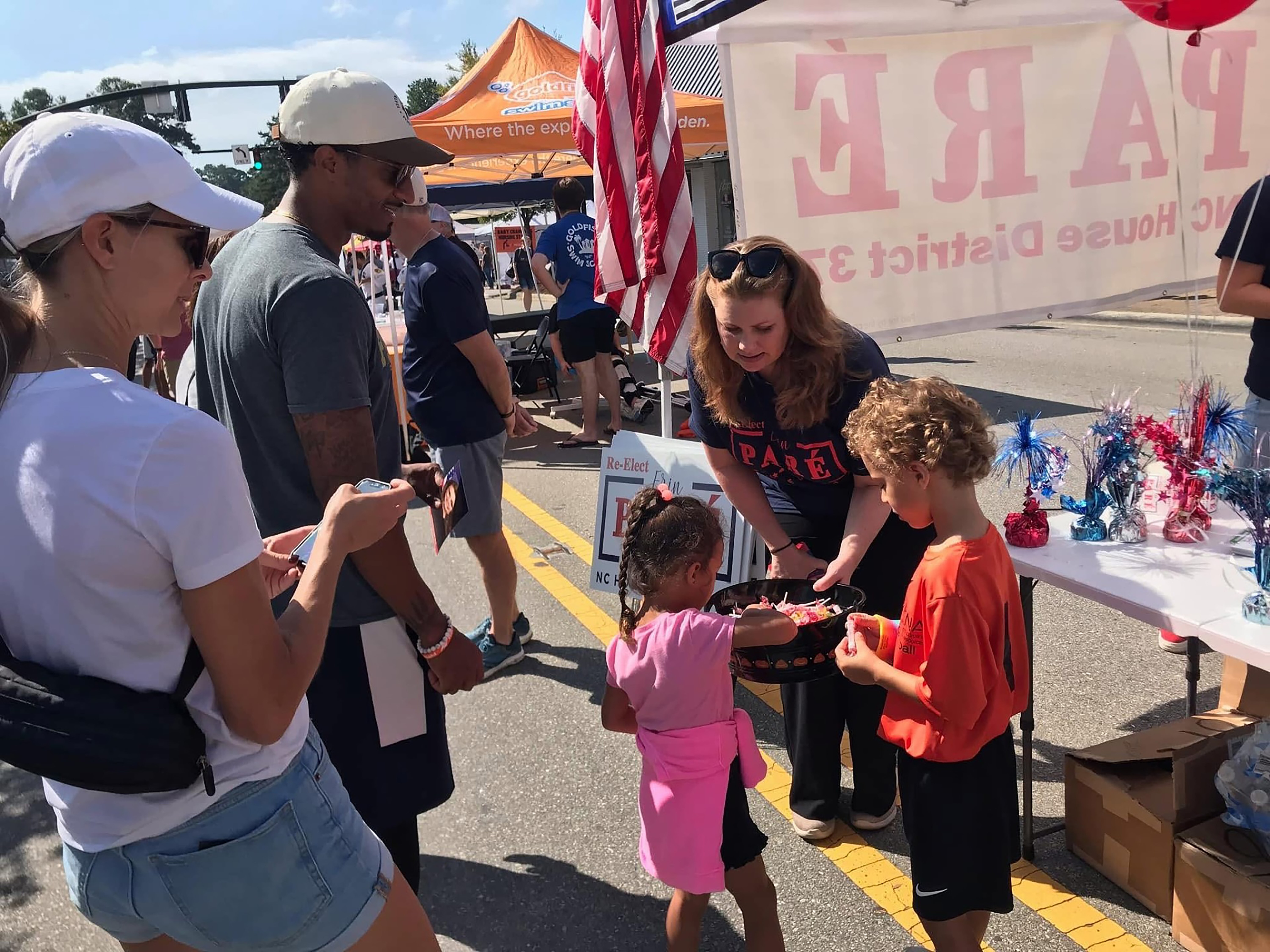
EP: Wayne was active-duty military, an infantry officer, an Army Ranger. We spent 12 years traveling the country at the behest of the Army, and his last duty station was at Fort Bragg, and we had to live within an hour of base. We ended up settling down in Holly Springs. And our kids, of course, were in an active-duty military family. So, when you ask Army kids where they're from, they don't know what to say to that. So, it was nice when we settled down to our forever-home, where they could say, ‘I'm from Holly Springs.’ We raised our kids in the public school system there in Holly Springs, and I was PTA president. I served on a town board. We own a small retail sporting goods store called Play It Again Sports in Holly Springs, and we have about nine employees, and that's been a lot of work but a joy in our life growing that and expanding that over the years. Our kids are both athletes, so they're now in high school at Holly Springs High School. My son is the varsity starting quarterback as a sophomore, and my daughter is a volleyball player on varsity, and so they've really enjoyed sports there. And being engaged in music. My daughter plays the French horn in the wind ensemble of Holly Springs High School. So, we are very engaged in all kinds of kid activities. We love Holly Springs, and it's changed a lot in the last 11 years. It's a growing community. I also have a nonprofit in music education. It's a youth orchestra; I'm a violinist. I started that about 2018 on my own. It's grown to be a thriving nonprofit where a lot of kids are engaged, and I think that the growth of that youth orchestra speaks to the expanded culture of the area and new families coming in and taking advantage of a lot of new opportunities there. So that's another exciting part of the community that I'm involved in.
What inspired the youth orchestra idea?
EP: The public schools in the area do offer band, but they don't offer strings. And so when I was growing up, in northern Virginia, we had strings available in the schools, and that's where I learned, when I was eight years old in elementary school, to play the violin. I just kept up with it through college and graduate school. When I moved here, my kids were in school and Wayne was still active duty, and I decided to start teaching. I got so many kids who wanted to learn, so … I decided I can reach a lot more kids if I start a nonprofit organization that's a youth orchestra, so I can teach them from the very beginning. ... We started with nine kids, and we grew to 30 in the next several months, and now we have about 70 enrolled in three sessions a year. We actually started at the Town of Holly Springs Cultural Center as one of their programs. And that's how we got bigger. We grew out of the Cultural Center and now we rehearse at Pine Springs Preparatory Academy, and we just seem to add students every session. And it's a really exciting thing to be a part of, as the arts is also growing and expanding in Holly Springs.
It seems like the analogies are endless in terms of playing a specific role with an ensemble—being part of the whole, understanding how others rely on you, your sense of harmony, keeping tune, and so on.
EP: Yes, it's a different skill when you are playing with other people, as one part out of several parts in an ensemble or an orchestra. It’s the coolest thing to see a young person pick up an instrument, learn how to play it, and really glom onto it, and it becomes kind of who they are and their passion. That’s been a really cool thing to see over the years. ... I’m proud of it.
How did public office become part of your story?
EP: I actually used to be a lobbyist on Capitol Hill, so I have a background in public policy working on regulatory reform. I have a master's in international commerce and policy from George Mason University and a bachelor’s degree in government and politics from George Mason. I've worked on lots of campaigns, and I have experience at the federal level working on federal policy issues. I met my husband while I was a lobbyist in Washington, and he was active duty, so when we decided to get married, as many military spouses do, they put their careers on the back burner and support the mission and raise your family in an everchanging environment, which is the active duty soldier that gets sent different places. This was back when the Iraq war and the Afghanistan war were hot. ... He deployed eight times. And I raised our kids and that was really what we dedicated our life to during those years, until it became time for him to start looking forward to retirement and settling down in the community, which is what we did.
Were there specific areas of government or subjects within it that you felt a calling to?
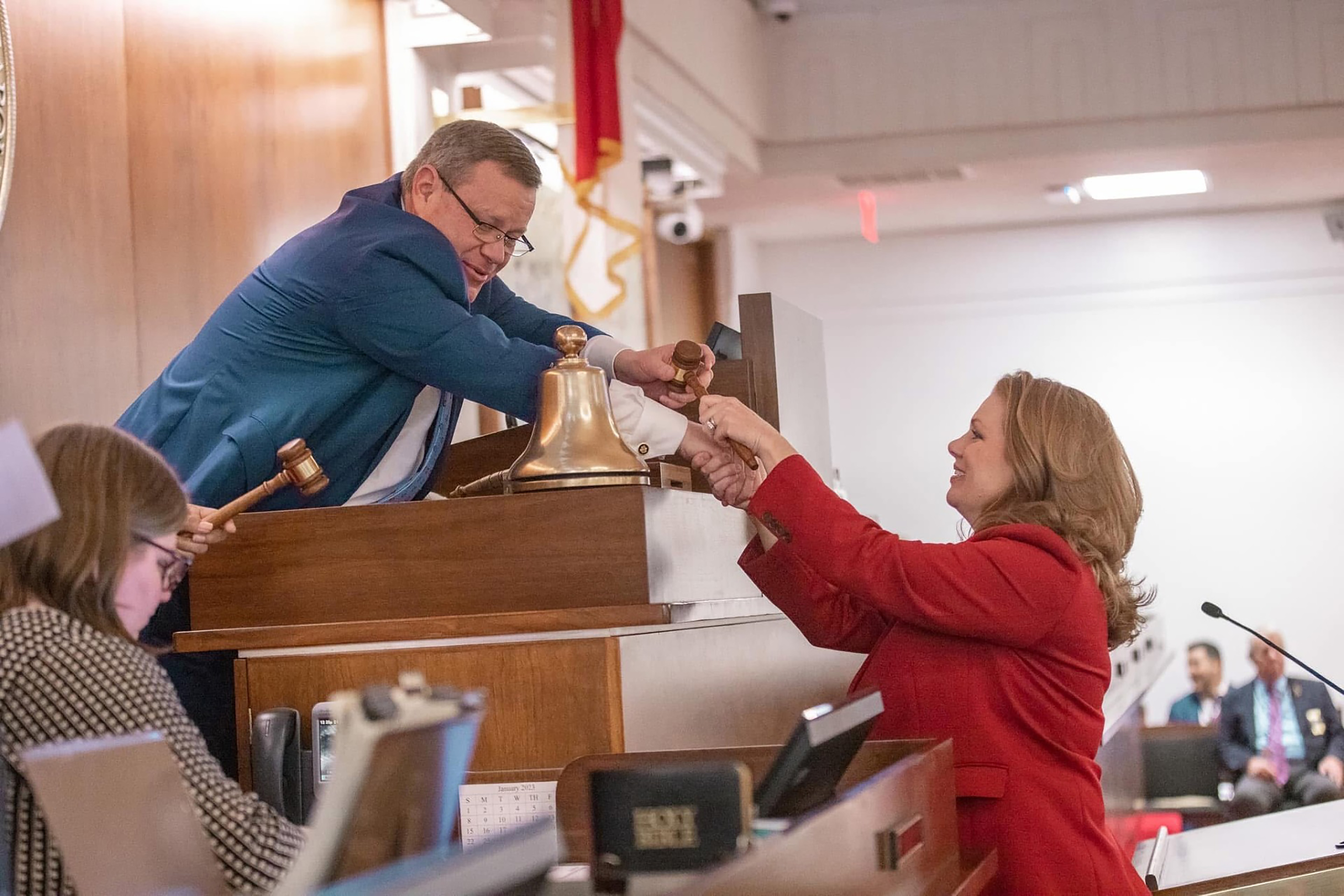
EP: I always wanted to go back into public policy … which is part of the reason why we ended up at Holly Springs, because I wanted to be close enough to Raleigh. I always thought it was going to be regulatory reform. That's what I spent my time doing in DC. And energy issues. But when my kids were little, I was a PTA president, so I was engaged in education. I saw how the funding all worked for that. I worked with teachers, worked with administration, served on the town board of adjustment, saw what the issues were with the community. Having a business, starting a business. I do the books for our business. I'm involved in taxes and our money. And all of those experiences with a nonprofit, of course. It allowed me to have a finger on the pulse of what was going on locally. In 2020, there was an election, and I knew that I could probably do some really good things for our community, and it was election that I could win, so I decided to run for office and I had a primary of three great Republicans. That helped me be a better candidate, in the primary. It’s really hard to put yourself out there … but especially in a three-way primary with two other great candidates ... I ended up winning that by almost 60 percent of the vote, and I've been in the General Assembly since we were sworn in in January 2021.
Were there aspects of your community-level work that you found important to your state-level work?
EP: Yes. I think in DC it was more a macro level: the big issues dealing with different Fortune 500 companies and business associations. And, when you're active in your community, you hear back from people just by virtue of being in business or serving on this board, just the interaction with normal everyday people is a different thing than sitting at a desk in DC working on federal regulatory policy. You see how that stuff you did in DC can impact a small business owner down in Holly Springs, or the people who come to that business to buy their kids some baseball gear. You see how costs rising can affect a normal family. You can see how policies made in the education environment can impact teachers and administration and kids and how they learn. And so I think it was just that hands-on learning experience, by just being engaged, that really helped me have a better perspective on what the people really want and what our communities could really benefit from, from a leader at the state level in the General Assembly. So that was the perspective I went in with.
Does that influence your style of communication with local jurisdictions in your district or how you stay apprised of what’s desired from the legislature?
EP: Yes. Maybe this is by virtue of what my district is—always sort of a swing district, where any election could possibly go either way. So, keeping engaged with local leaders and what's happening at the town level, what's going on at the school board level, what the county is doing. District 37 is part of Holly Springs, all of Fuquay-Varina, mostly on the Wake County side. And then we have the Willow Spring area and south of Garner, which is more of an unincorporated, sort of rural area for now. So you have some different issues even in just one House district of 90,000 people. ... I've been engaged with local issues like economic development, transportation and infrastructure. Education, I think, affects everybody. But with some of those specific issues, it really helps to engage with local leaders because they have a different perspective than you do at the state level, but you need them to inform the decisions you're making so you can be helpful in a way to them where they need you to be helpful at the state level. Like bidding reform—that's another thing we worked on that directly impacts municipalities and their ability to save their taxpayer's money in a growing community. Water, wastewater, transportation ... nobody really knows this, but I listen to the school board meetings most of the time. I’ll be cooking dinner, and I turn it on and listen, so I know what's going on, what's being said, and what people are saying. I do listen in to town board meetings sometimes, but I have a very good working relationship with the people who run my municipalities—our mayors and our town managers—and I check in with them regularly. And they know they can pick up the phone and call me, and whenever I ask them for their feedback on something ... I'll take any meeting from any constituent that wants to come meet with me. I do a ton of district meetings, too. Just being present and available has been very helpful. Because I think people want to know that you care and that you want to help them and hear out what their issue is, even if you might not be in that position to help them. It's good to keep that finger on the pulse. ... I do think collaboration with municipalities is extremely important, and that’s honestly a big part of my job.

About the author
Ben Brown
Communications & Multimedia Strategist
Supports the League’s communication strategies as the in-house multimedia producer dedicated to improving awareness of membership services, advocacy campaigns, and organizational goals.
